IOCAS in Media
-
Chinese Scientists Develop Modified-clay Technology, Helping Countries Tackle Harmful Algal Blooms
A team at the Institute of Oceanology of the Chinese Academy of Sciences (IOCAS) developed the modified-clay technology, helping tackle harmful algal blooms.HAB 'extinguisher'A technician instructs a foreign trainee during on-site training on modified-clay technology for HAB mitigation. Photo: Courtesy of IOCASEditor's Note:As global challenges grow increasingly interconnected, technological solutions are r...
Sep 28, 2026
-
Solar Activity Can Manipulate Deep-sea Climate: Study
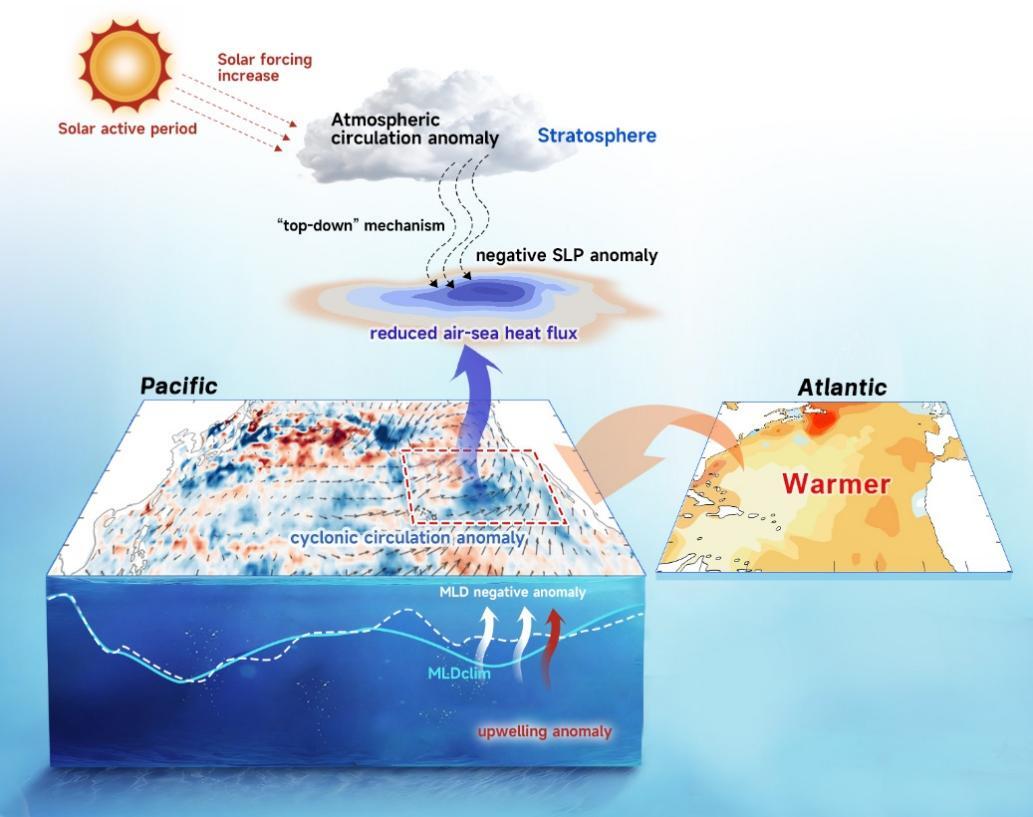
Researchers at the Institute of Oceanology, Chinese Academy of Sciences (IOCAS), found that one to two years after the solar maximum, the formation of this mode of water was significantly suppressed.Solar activity not only affects temperatures on Earth's surface, but can also "control" climate change in the deep sea, according to a group of Chinese researchers.Using eight decades of ocean reanalysis, they showed that the 11-year solar cycle robustl...
Sep 18, 2026
-
Multiyear Tropical Warm Pool Warming Temporarily Slows Antarctic Mass Loss, Study Finds
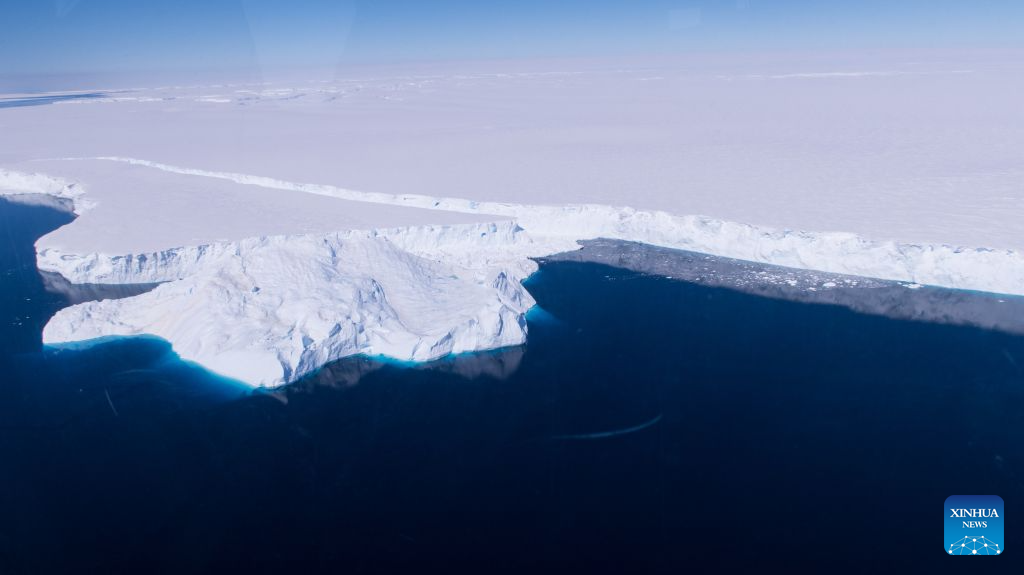
A temporary reversal in Antarctic ice-sheet mass loss from July 2021 to April 2023 has been traced to multiyear warming in the tropical warm pool spanning the western Pacific and eastern Indian oceans.An aerial drone photo taken on Dec. 17, 2019 by Yoshihiro Nakayama, one of the researchers of the study, shows a view of the Totten Ice Shelf in East Antarctica. (Photo by Yoshihiro Nakayama/Xinhua)A temporary reversal in Antarctic ice-sheet mass loss f...
Aug 24, 2026
-
Cause of Antarctic Ice Gain Identified
An international research team has revealed a previously overlooked climate link between the tropics and the Antarctic ice sheet.While the Antarctic ice sheet has lost mass at an average rate of about 140.5 billion metric tons a year over the past two decades, satellite data showed a striking reversal from 2021 to 2023, when the ice sheet gained 695 billion tons — the largest in...
Aug 21, 2026
-
China Launches Large Offshore Lab for Coastal Eco-studies
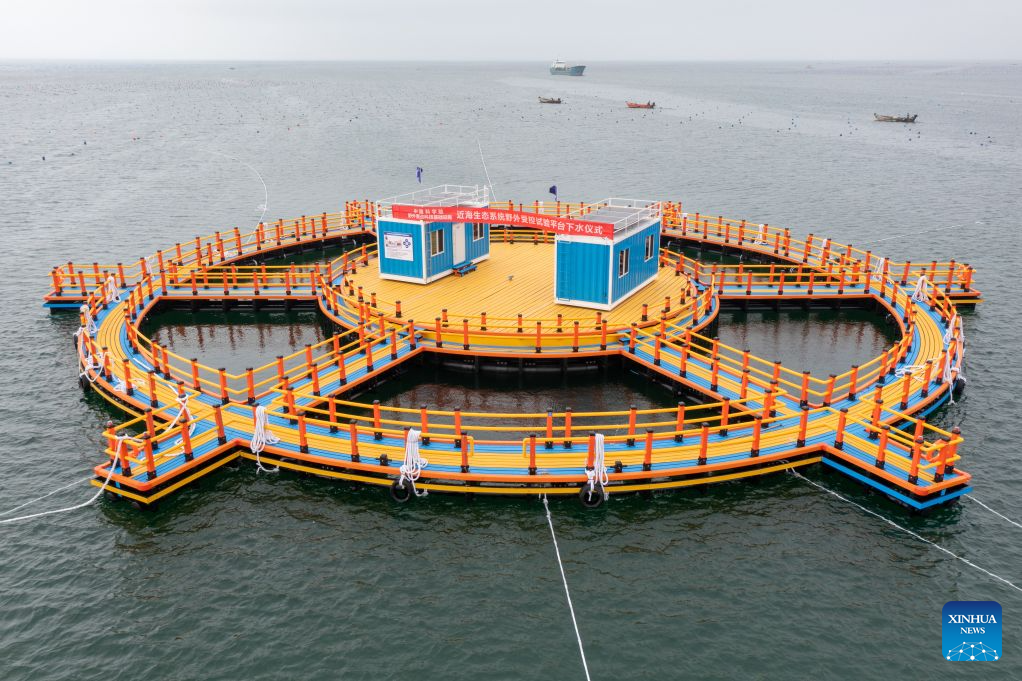
China on Friday put into operation a large offshore platform for controlled in-situ experiments regarding coastal ecosystems, marking a new phase of systematic, intelligent and open coastal ecological research in the country.An aerial drone photo taken on July 10, 2026 shows the large offshore platform for controlled in-situ experiments on coastal ecosystems after being deployed in the Yellow Sea off Rongcheng in east China's Shandong Province. China on Friday put into oper...
Jul 13, 2026
-
Climate Warming is Pushing Seaweed Aquaculture to Rethink Geographic and Biological Limits
Researchers from Qingdao demonstrate that wakame can be grown in subtropical Fujian province, opening new opportunities for seaweed aquaculture.Expanding wakame south: A subtropical seaweed aquaculture cultivation breakthrough has been reached in ChinaResearchers from Qingdao demonstrate that wakame can be grown in subtropical Fujian province, opening new opportunities for seaweed aquaculture. ...
Jul 09, 2026
-
China Launches 15th Western Pacific Expedition Featuring LangYa Sensing and Forecasting Framework
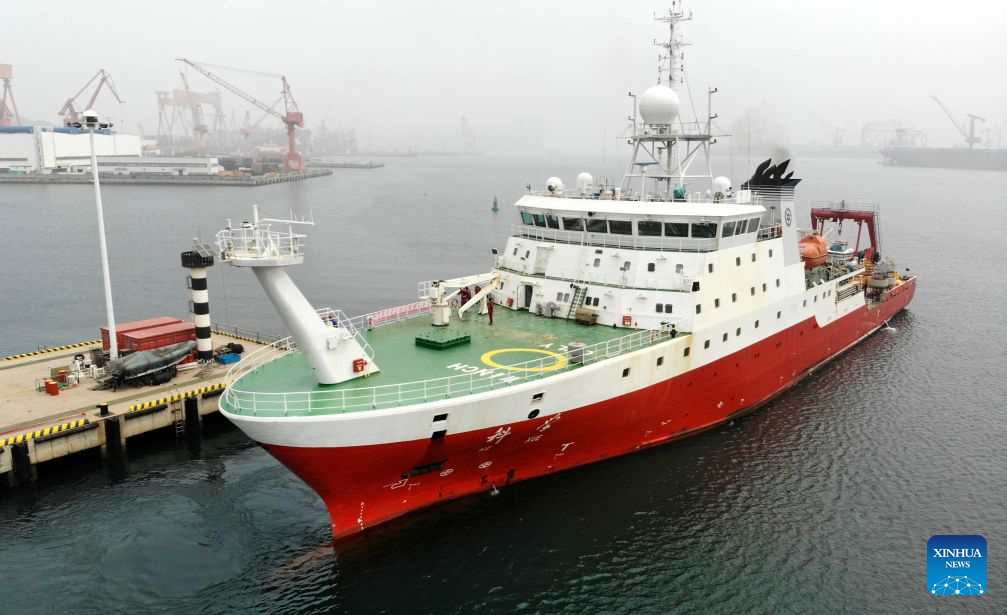
China's comprehensive research vessel KEXUE departed from Qingdao in east China's Shandong Province Saturday for an estimated 40-day mission in the western Pacific, marking the 15th voyage of a shared research cruise that began in 2010.A drone photo taken on July 4, 2026 shows China's comprehensive research vessel KEXUE departing from a port in Qingdao, east China's Shandong Province. KEXUE departed here on Saturday for an estimated 40-day mission in the western Pacific, marking the 1...
Jul 08, 2026
-
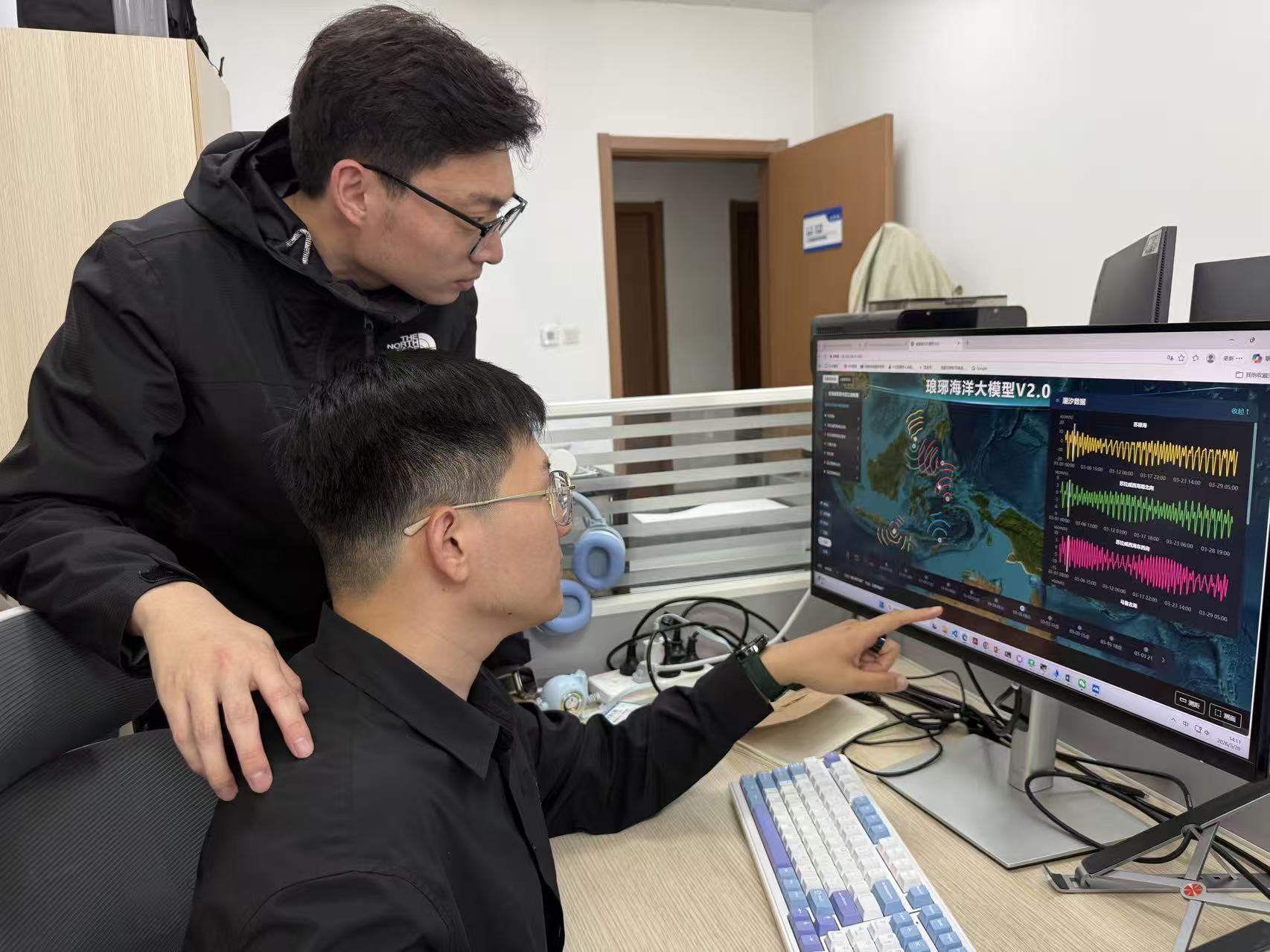
China Releases LangYa 2.0 AI Model for Full-blown Marine Phenomenon Forecasting
Chinese scientists on Saturday rolled out LangYa 2.0, a major upgrade that moves beyond basic sea variables to predict complex marine phenomena including typhoons, extreme rainfall and storm surges.Members of the AI oceanography research team at the Institute of Oceanology under the Chinese Academy of Sciences are pictured while developing the LangYa 2.0 AI model in Qingdao, east China's Shandong Province, May 20, 2026. (Photo by Zhang Yiyi/Xinhua...
Jun 08, 2026