● Introduction
The Laboratory of Marine Ecology and Environmental Sciences (LMEES) was established in December 2001, affiliated with the Institute of Oceanology, Chinese Academy of Sciences (IOCAS), in accordance with the spirit of the CAS Knowledge Innovation Program. The laboratory has more than 30 large-scale instruments, and a series of specialized research platforms have been constructed based on the laboratory's disciplinary focus.
Marine ecology and environmental science is one of the primary disciplinary strengths of IOCAS. The laboratory focuses on cutting-edge scientific frontiers and national needs in the field of marine ecology and environmental sciences. It emphasizes the integration of "key processes in marine ecosystems" with "resource and environmental effects" as its distinctive research feature, conducting comprehensive interdisciplinary research. The laboratory has developed prominent advantages and distinctive characteristics in research areas such as coastal eutrophication and harmful algal blooms, marine ecosystem dynamics, restoration of degraded habitats and resource conservation, and biogeochemical processes of key biogenic elements. It has produced a number of influential scientific and technological achievements, leading and advancing scientific development in the field of marine ecology and environmental sciences, with its international standing continuously rising.
Guided by the consistent principle of addressing national needs and engaging with international frontiers, the laboratory remains committed to innovation and continuous development, striving to make greater contributions to the advancement of marine science in China.
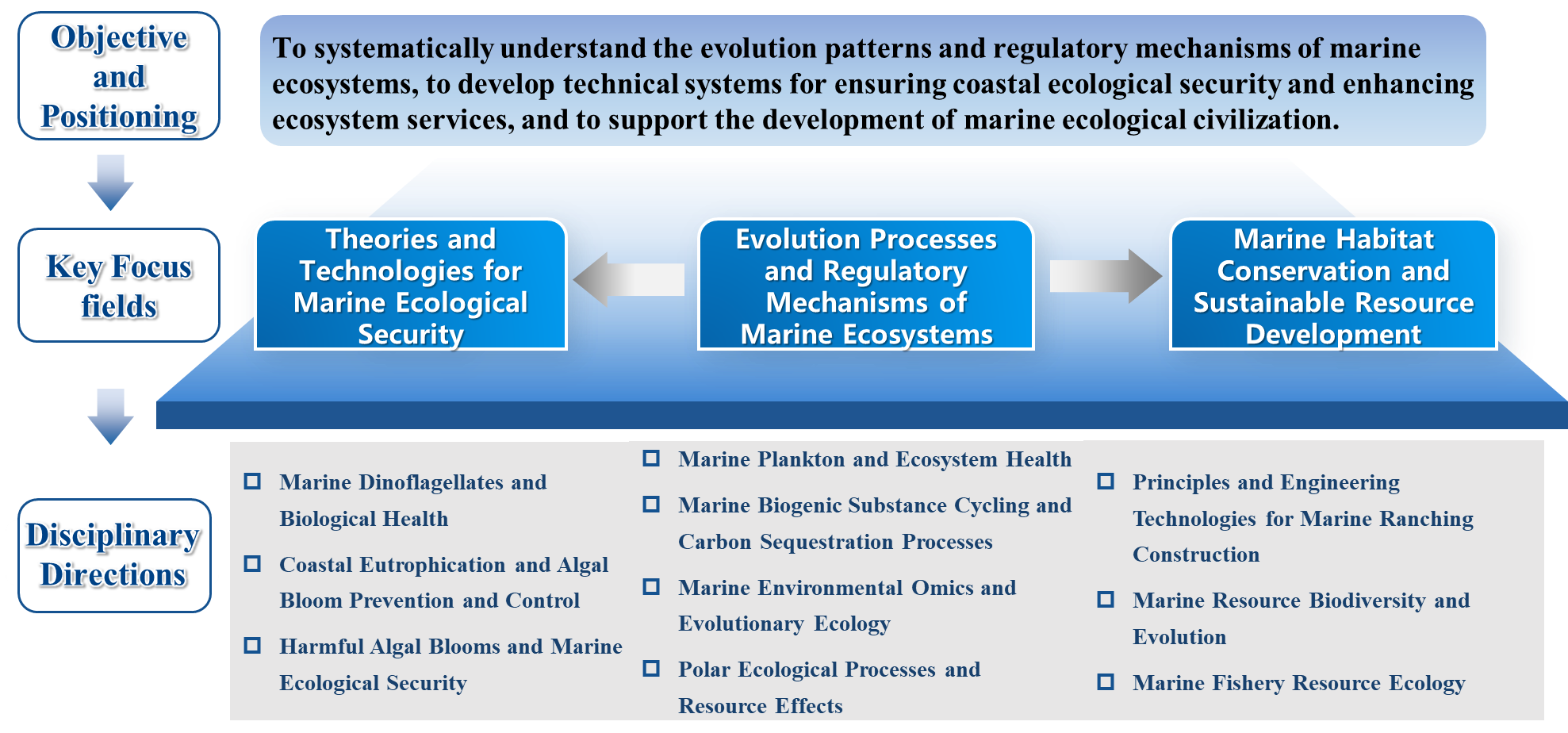
● Research Objective and Positioning, Key Focus fields, and Disciplinary Directions
● Directors of LMEES
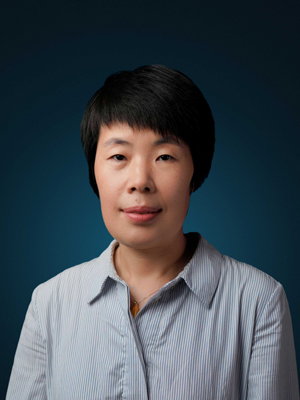
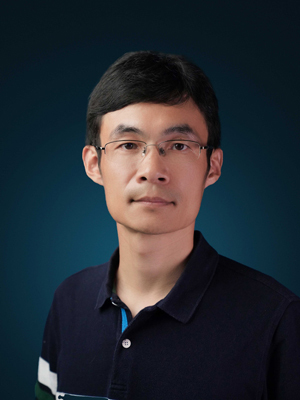
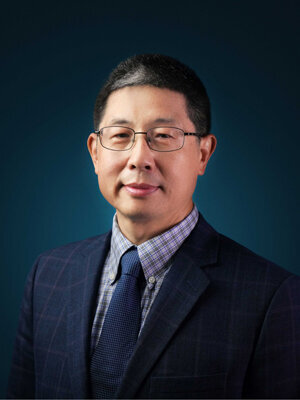
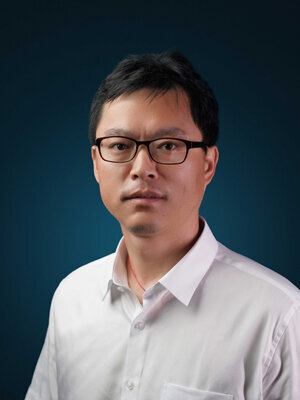
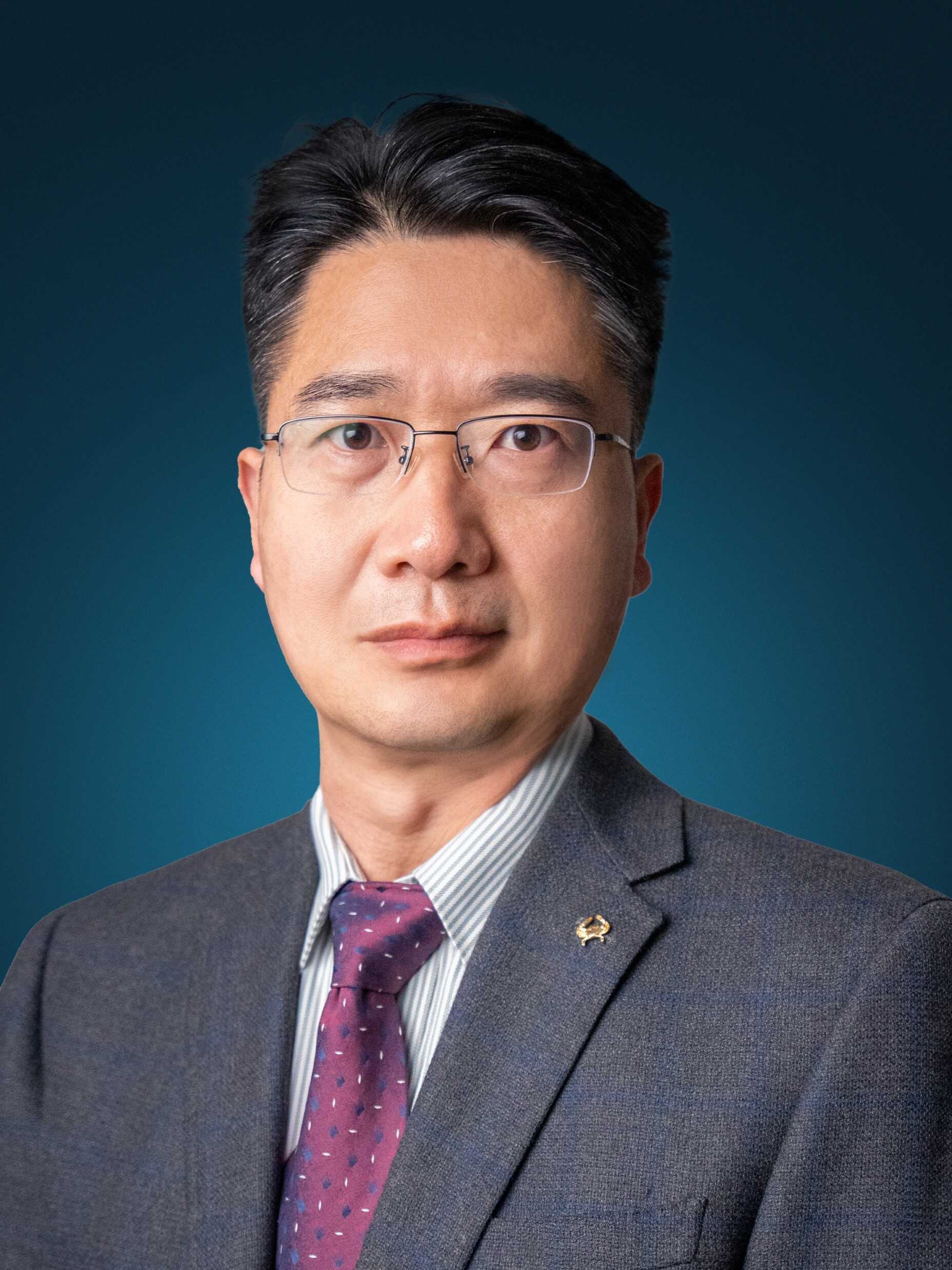
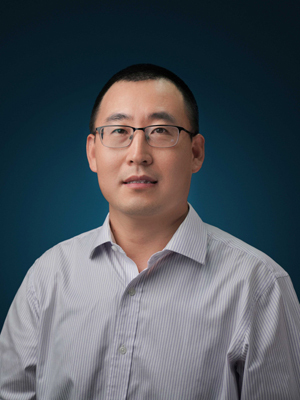
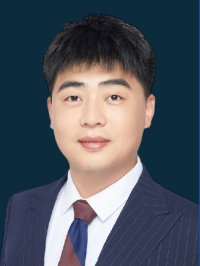
Prof. LI Caiwen, Director of LMEES
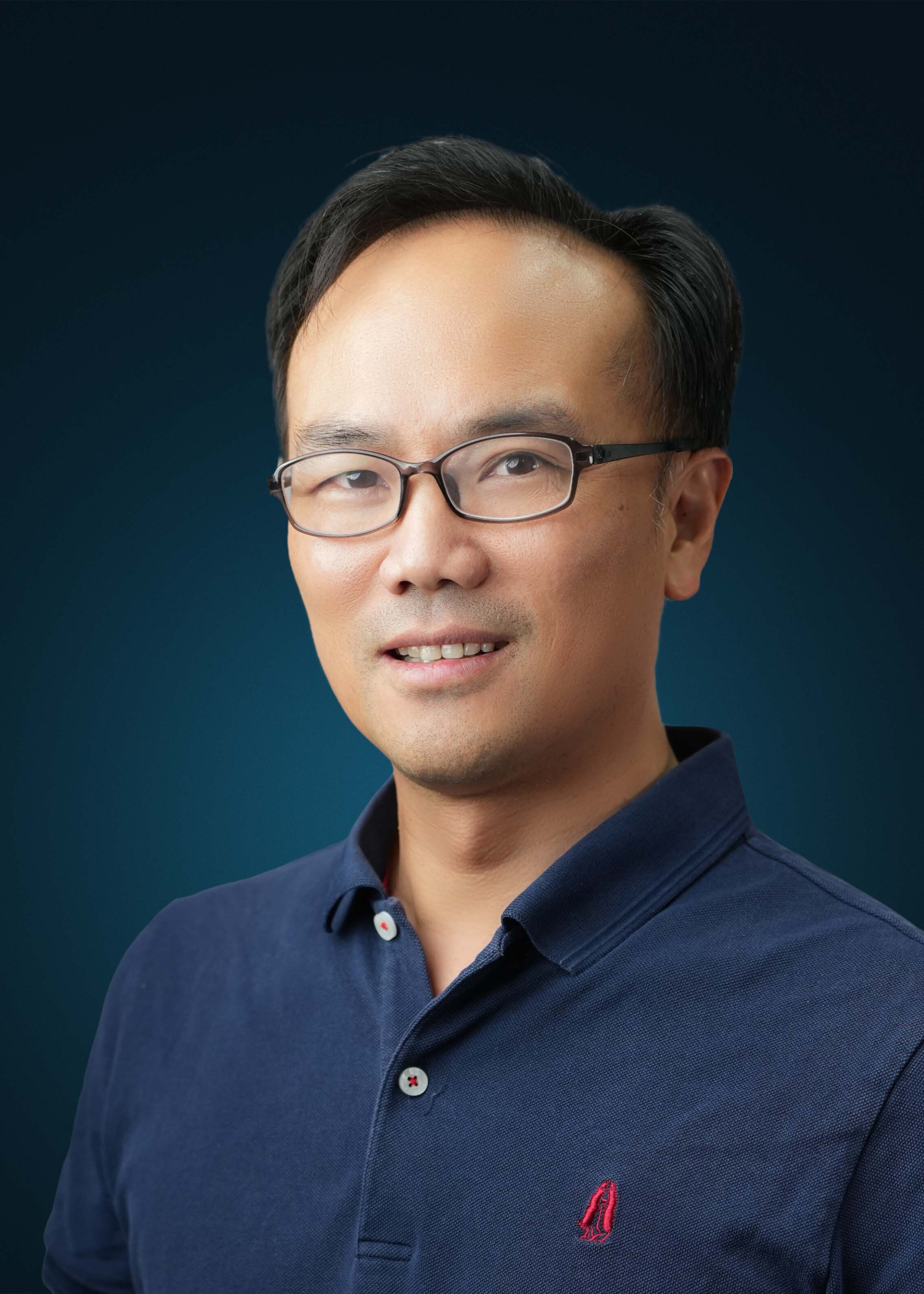
Prof. SUN Xiaoxia, Deputy Director of LMEES
Prof. ZHANG Hui, Deputy Director of LMEES
● Academician Spotlights

YU Zhiming, Professor, PhD Supervisor, Marine Chemist and Ecologist, Academician of CAE. He engaged in long-term research in the field of marine ecological environment. Addressing the global challenge of red tide, a major marine ecological hazard, and through over 30 years of theoretical innovation, technological breakthroughs, and application, he pioneered the world's first modified clay technology and method for red tide control, solving an international problem that had remained unresolved for a long time. This achievement has been widely applied on a large scale in China, effectively mitigating the various losses caused by red tides to the coastal economy and society, establishing a new paradigm for environmentally friendly red tide control, and generating significant socio-economic benefits. Since 2016, the technology has been extended internationally, with demonstration applications in countries such as Peru, the United States, Malaysia, and Turkey, providing a "Chinese solution" for red tide control to coastal nations worldwide. He is acclaimed as a "pioneer in the international field of red tide control" and the creator of a "red tide fire extinguisher" made in China. Related achievements have been awarded the National Technology Invention Second Prize and have been selected for exhibitions such as China's "13th Five-Year Plan" Science and Technology Achievements Exhibition and the "Science and Technology Innovation China" Pioneer Technology List, making outstanding contributions to China's marine ecological civilization construction.
● Academic leaders of Disciplinary Directions
Research field I: Evolution Processes and Regulatory Mechanisms of Marine Ecosystems
|
1. Marine Plankton and Ecosystem Health | |
|
|
SUN Xiaoxia, Professor, PhD Supervisor, Director of the Jiaozhou Bay National Marine Ecosystem Research Station, Deputy Director of LMEES. She has long been engaged in research on long-term observation of marine ecosystems, ecological security, healthy oceans, and sustainable development. In recent years, she has led over 20 projects, published more than 100 papers, authored 6 monographs, received 8 provincial/ministerial-level awards, obtained 2 patents, and registered 8 software copyrights. She also holds significant positions in key domestic and international academic organizations and serves on the editorial boards of leading journals in the field. |
|
2. Marine Biogenic Substance Cycling and Carbon Sequestration Processes | |
|
|
YUAN Huamao, Professor, PhD Supervisor. His main research focuses on the cycling processes and eco-environmental effects of marine biogenic elements and trace elements. He has published over 200 papers, led more than 10 projects, and received 3 provincial/ministerial-level awards. He concurrently serves as Vice Chairman of the 11th Council of the Chemical Society of the Chinese Society of Oceanology and Limnology, Associate Editor of Frontiers in Marine Science, and sits on the editorial boards of several core scientific journals. |
|
3. Marine Environmental Omics and Evolutionary Ecology | |
|
|
CHEN Nansheng, Professor, PhD Supervisor. His main research focuses on bioinformatics, genomics, and genetics. In recent years, he has led 7 projects, published over 200 papers in domestic and international journals, and received 1 Marine Engineering Science and Technology Award. He serves as a council member for the Water Environment Branch and the Benthology Branch of the Chinese Society for Oceanology and Limnology and is a Guest Editor for special issues of the journal Frontiers in Microbiology. |
|
4. Polar Ecological Processes and Resource Effects | |
|
|
ZHANG Guangtao, Professor, PhD Supervisor. He has long been engaged in marine ecology research, focusing on polar marine plankton ecology, coastal environmental remediation, and resource efficiency regulation technologies. He has presided over multiple projects including key R&D programs of the Ministry of Science and Technology, and published more than 20 SCI papers. Currently, he holds several academic positions such as National Representative of the Life Sciences Working Group of SCAR and Deputy Editor-in-Chief of the Cryosphere Ecology Section of the 3rd Edition of Encyclopedia of China. |
Research field II: Theories and Technologies for Marine Ecological Security
|
1. Marine Dinoflagellates and Biological Health | |
|
|
LI Caiwen, Professor, PhD Supervisor, Director of LMEES. His research primarily focuses on marine dinoflagellate biology and ecology, as well as the dynamics of phytoplankton communities and their associated ecological environmental effects.. He has led/participated in over 20 projects, published more than 90 papers, obtained 7 patents, and received 1 provincial/ministerial-level award. He also serves concurrently in key academic organizations such as the Water Environment Branch of the Chinese Society for Oceanology and Limnology, holding important positions including Secretary-General, and is a member of the editorial board for Advances in Marine Science. |
|
2. Coastal Eutrophication and Algal Bloom Prevention and Control | |
|
|
CAO Xihua, Professor, PhD Supervisor. His main research focuses on the theories and methods for harmful algal bloom prevention and control. He has undertaken over 10 projects, published more than 100 papers, been granted 21 invention patents, contributed to 2 monographs, and received 8 awards including the National Technology Invention Second Prize (5th ranked contributor). He holds positions such as Standing Committee Member in important academic organizations including the Nuclear Power Cold Source Professional Committee of the China Nuclear Industry Exploration & Design Association. |
|
3. Harmful Algal Blooms and Marine Ecological Security | |
|
|
ZHANG Qingchun, Professor, PhD Supervisor. His main research focuses on the molecular ecology of harmful algal blooms. He has led or participated in 7 projects or sub-projects, published over 70 papers, and been granted 4 invention patents. He concurrently serves as a committee member of the Sixth Committee of the Water Environment Branch of the Chinese Society for Oceanology and Limnology. |
Research field III: Marine Habitat Conservation and Sustainable Resource Development
|
1. Principles and Engineering Technologies for Marine Ranching Construction | |
|
|
ZHANG Libin, Professor, PhD Supervisor, Director of the Scientific Research Division, IOCAS. His main research focuses on the behavioral ecology, physiological ecology, research, and application of marine economic animals. He has led/participated in nearly 30 projects, published over 50 SCI-indexed papers, been granted more than 30 invention patents, and received 10 scientific and technological awards. He concurrently holds positions such as Executive Vice Chairman of important academic organizations including the Echinoderm Branch of the Chinese Society for Oceanology and Limnology. He serves as an Associate Editor for Frontiers in Marine Science and Frontiers in Physiology. |
|
2. Marine Resource Biodiversity and Evolution | |
|
|
LIU Jinxian, Professor, PhD Supervisor. His main research focuses on marine biodiversity and evolution. He has undertaken 9 projects and published over 60 SCI-indexed papers. He concurrently serves as a Standing Committee Member of the Marine Biological Resources Professional Committee of the Chinese Society for Oceanography, is a review expert for the National Natural Science Foundation of China, and serves as an invited reviewer for several important domestic and international academic journals. |
|
3. Marine Fishery Resource Ecology | |
|
|
ZHANG Hui, Professor, PhD Supervisor, Director of the CAS Yangtze Estuary Marine Ecosystem Research Station, Deputy Director of the LMEES. He has long been engaged in research on marine fishery resources and marine ecology. He has led 15 various projects, received important awards including the Marine Science and Technology First Prize, published 80 academic papers, authored 2 monographs, compiled 1 electronic monograph, been granted 2 patents, and participated in formulating 11 standards. He also holds significant positions in key domestic and international academic organizations. He serves as an Associate Editor for important academic journals such as Frontiers in Ecology and Evolution and is a reviewer for various renowned domestic and international academic journals. |
● Team Development and Talent Cultivation
After years of development, the laboratory has cultivated a large number of leading scientific talents and outstanding young and mid-career scientists. The laboratory currently has over 80 permanent staff members, including: 2 Members of CAE, 1 Member of the International Eurasian Academy of Sciences, 2 Recipients of the NSFC Distinguished Young Scholar Fund, 1 Recipient of the NSFC Young Scientists Fund (Category B), 4 Other National High-Level Talents, 5 Experts Receiving Special Government Allowances, 21 Recipients of Major Talent Programs from Shandong Province and the Chinese Academy of Sciences, 4 Shandong Province Outstanding Contribution Experts, 7 Members of the CAS Youth Innovation Promotion Association, 9 "Huiquan Scholars"; 1 Principal Investigator of the CAS Strategic Priority Research Program, 1 Principal Investigator of an NSFC Innovative Research Group project, and 13 Principal Investigators of major national projects such as the 973 Program, National Key R&D Program, and National Science & Technology Basic Resources Survey Program.
The laboratory places high importance on talent cultivation. To date, the laboratory has trained nearly 60 postdoctoral researchers who have completed their terms, over 310 doctoral graduates, and more than 220 master's graduates. More than 240 students have received various funding and awards during their studies, including the National Scholarship for Graduate Students, CAS President's Special Award, and CAS President's Outstanding Award.
● Academic Activities and Cooperative Exchanges
The laboratory fully leverages its influence both domestically and internationally, having hosted and organized over 60 important academic conferences, including nearly 30 international conferences, with a total participation of nearly 6,000 attendees, establishing a crucial communication platform in this field.
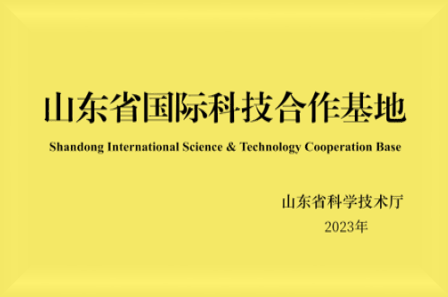
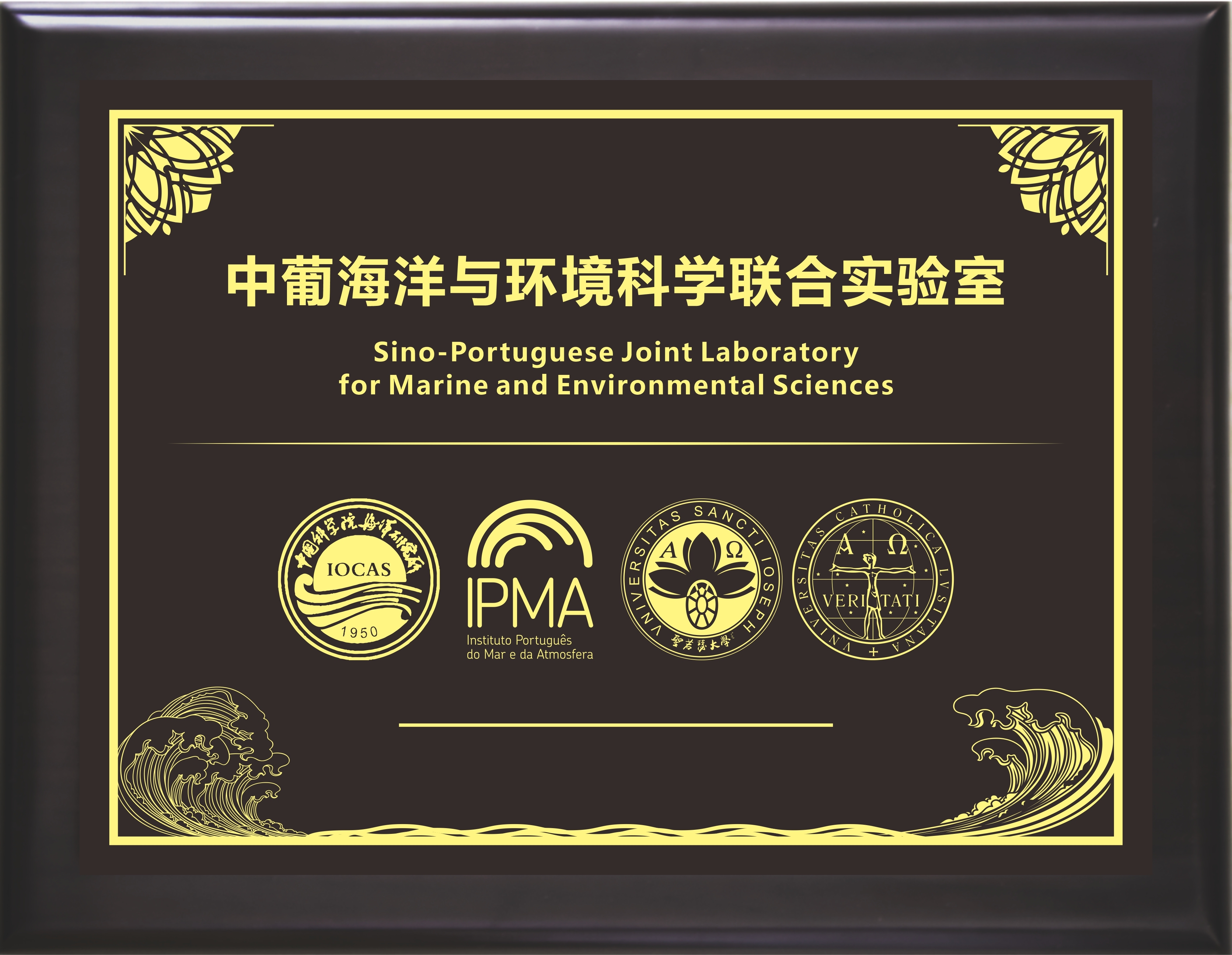
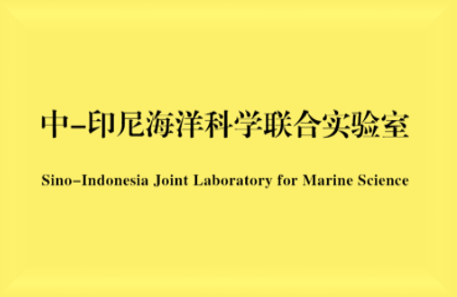
The laboratory maintains substantive collaborations with nearly 20 top-tier research institutions and renowned universities in countries and regions including the United States, Russia, the United Kingdom, France, Germany, Japan, Australia, Portugal, Belgium, South Korea, and Egypt. It has established a Shandong Province International Cooperation Base and multiple international joint laboratories, such as China-Australia, China-Indonesia, China-Portugal, and China-Belgium joint labs.

Application of Modified Clay Technology for Red Tide Control off the Coast of Florida, USA (2018). Credit: IOCAS

Inauguration of the China-Indonesia Joint Laboratory for Marine Sciences (2023). Credit: IOCAS

The First International Training Workshop on Comprehensive Prevention and Control of Red Tide Disasters held in Nanning (2024). Credit: IOCAS
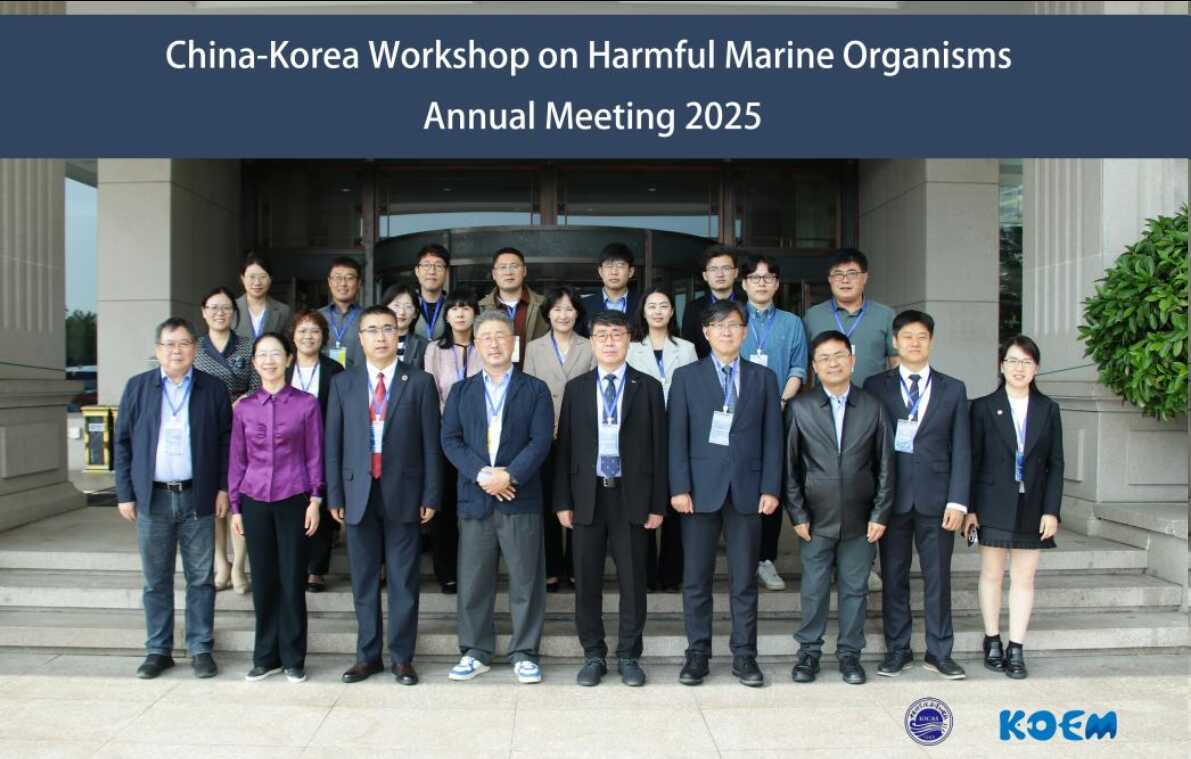
China-South Korea Annual Meeting on Hazardous Organisms held in Weihai (2025). Credit: IOCAS

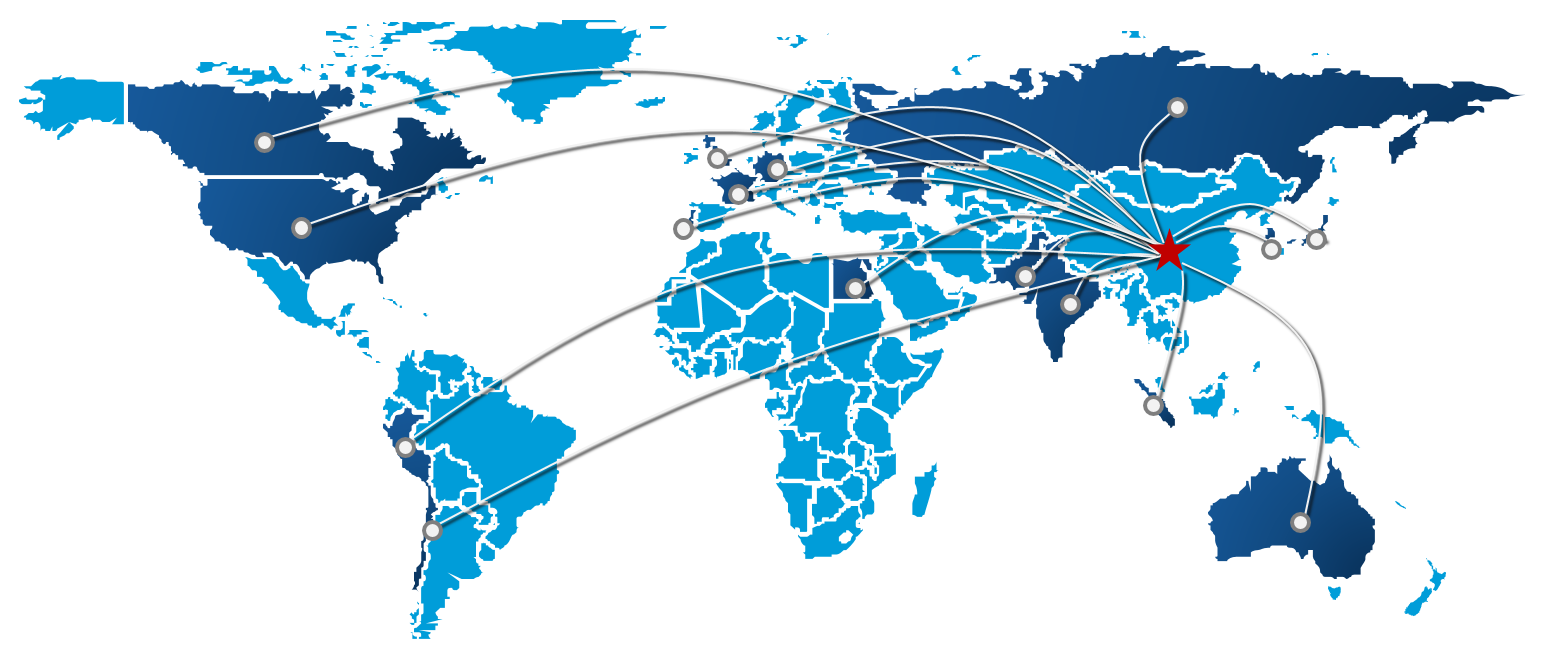
Substantial Cooperation and Exchanges with Multiple Countries and Regions. Credit: IOCAS
● Research Project Undertakings
Since its establishment, laboratory members have collectively published over 3,000 papers, including nearly 2,000 SCI/EI-indexed papers. According to searches based on the InCites Essential Science Indicators database, the laboratory's research in the Environment/Ecology discipline has entered the ESI Top 1%.
Laboratory members have cumulatively received over 60 various scientific and technological awards, including more than 20 provincial/ministerial-level first prizes or above. The research achievement "Key Technologies and Methods for Emergency Response to Coastal Red Tide Disasters" was awarded the National Technology Invention Second Prize.
Laboratory members have published over 70 monographs, formulated nearly 20 standards, been granted over a hundred invention patents, and obtained nearly 10 software copyrights and new varieties. Among these, they have officially published China's first undergraduate textbook in the marine ranching field, "Introduction to Marine Ranching" and China's first graduate textbook, " Marine Biogeochemistry "; approved and released China's first national standard for seagrass bed ecosystem restoration technology, " Guidelines for Marine Ecological Restoration Technologies - Part 4: Seagrass Bed Ecological Restoration (GB/T 41339.4-2023) " and the first national standard in the marine ranching construction field, " Technical Guidelines for Marine Ranching Construction (GB/T 40946-2021)"; demonstrated clear advantages as patentees and inventors in the field of harmful algal bloom prevention and control, and are leading in terms of international patent.
Contact:
Address: No. 88 Haijun Road, Qingdao, China (266000)
Tel / Fax: 86-532-82896981
Email: klmees@qdio.ac.cn